top of page

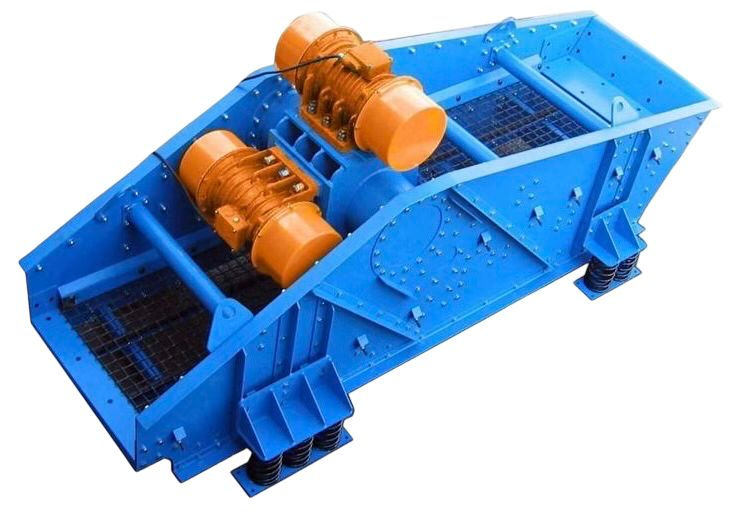
Looking for reliable, UK-built vibrating screens tailored to your process? At Spiral Elevators Ltd, we design and manufacture industrial screening machines that deliver precision separation - whether you’re working with powders, granules, or wet materials.
Our Products


Vibrating Screens & Sieves Frequently Asked Questions
A vibrating screen separates suitable material through openings, allowing some particles to pass while retaining others. The task may be oversize removal, fines recovery or production of several size fractions.
We define the required product at each outlet and acceptable misplaced material. Aperture, area, feed distribution and motion are selected together. A screen is not a universal contamination detector; its defined separation function determines what it can and cannot remove.
Both wet and dry duties can be assessed, but one configuration will not necessarily suit both. Moisture changes flow, can promote blinding and affects fine-particle passage.
We need feed condition, size distribution and the required separation or dewatering result. Liquid collection, corrosion and cleaning may be relevant. Those requirements are reviewed before selecting the screen medium, movement and outlets instead of assuming a dry screen can simply accept a wet feed.
Aperture and screen medium are selected for the separation, particle shape and loading. Wire mesh, perforated plate and other media offer different open areas, strength and wear characteristics.
An opening is not a guarantee that every passed particle has that maximum length; orientation matters. Provide target fractions and a size distribution. Near-size content and blinding risk also influence the achievable result and required screening area.
A stainless screen can be specified for food handling with attention to contact surfaces, screen retention, seals and cleaning access. Product and hygiene procedures determine the details.
We discuss allergens, cleaning and screen-integrity checks. Required finishes and material documents are agreed within the scope. Stainless construction alone does not establish suitability for every food, cleaning chemical or contamination-control requirement.
We assess circular and linear arrangements within the range we supply. The choice follows throughput, material, separation, space and outlet requirements rather than a rule that one shape is always more accurate.
A linear arrangement may suit one transfer route and a circular arrangement another layout. We review the complete process, deck requirements and maintenance access before recommending the configuration.
We can assess dewatering using the solids, liquid loading and required discharged condition. Dewatering removes some free liquid; it does not automatically achieve a moisture specification that needs thermal drying.
We need solids size distribution, wet-feed rate and the liquid collection route. Screen medium, residence time and feed conditions affect performance. Where residual moisture is critical, representative testing can provide a firmer basis for selection.
We identify replacement media from the machine reference, deck dimensions and existing specification. Provide aperture, wire or plate details, fixing or tensioning method and material of construction.
The same nominal opening can come with different open area or strength. We check duty and mounting before proposing a replacement. Repeated failure or blinding may justify investigating loading or operation instead of continually replacing the same item.
Covers and appropriate connections can help control screen dust while retaining access for media changes and cleaning. The inlet and every discharge route need consideration.
We assess displaced air, extraction and flexible connections that permit the intended movement. A covered screen is not automatically a validated containment system. Exposure targets or hazardous-dust conditions require an appropriate assessment and specified measures.
Aperture is only one factor. Particle shape, near-size content, layer depth, distribution and deck residence time affect the fraction reaching each outlet.
We define accuracy using required fractions and acceptable misplaced material, then agree representative sampling. Overloading can increase discharge rate while reducing separation quality. The correct setup balances useful production and product specification rather than relying on an unexplained high-accuracy claim.
We assess abrasive duty using particle size, wear behaviour, impact and operating hours. Suitable contact construction and replaceable screen or wear sections may be considered.
Wear protection must not compromise separation or maintenance access. Added mass and modifications also affect the vibrating assembly. The specification identifies inspection points and intended wear areas instead of suggesting any screen is immune to abrasion.
A screen can remove particles outside an agreed size range before they reach a sensitive process. Aperture and the reject route must reflect what the receiving machine can tolerate.
It cannot identify every contaminant, especially one similar in size to acceptable product. Magnets, metal detection or other controls may still be necessary for different hazards. We define the screening function rather than describe it as complete protection against all unwanted material.
Screening and cooling can share a machine where treatment area, movement and residence time satisfy both duties. We need the separation targets, throughput and inlet and outlet temperatures.
Cooling services and collection of each size fraction form part of the layout. Separate machines may be more practical if combining duties compromises either result or complicates cleaning. We compare these trade-offs rather than integrate processes only to reduce the number of machines.
Screening separates material through a screening surface. Grading usually means producing defined size fractions, often using several decks or stages with separate outlets.
We ask for the product range required at each outlet rather than just the deck count. Aperture, material distribution and capacity of each stage need checking. Multiple decks do not automatically guarantee all fractions meet specification at any feed rate.
Wet performance depends on solids size distribution, liquid content, feed rate and the tendency to stick or blind the medium. Product and liquid collection routes affect the arrangement too.
We distinguish free-water removal from a final moisture target that may require drying. Provide normal and maximum feed conditions and the measurement method. Results obtained from one slurry or washed material should not be assumed for a different feed.
Look for a proposal explaining the separation duty, sizing assumptions, feed conditions and performance assessment. Drawings should show outlets, access and integration requirements, not only overall dimensions.
Our service develops those details with you as part of the bespoke specification. We also clarify media replacement, documentation and support. A clear technical scope and realistic commitments are more useful than claims about being the best supplier or offering the longest service life without evidence.
We assess suitable linear, circular, grizzly and other relevant screening arrangements against the material and required cut. Single or multiple decks are considered where the fractions and outlets justify them.
Provide capacity, feed condition, required size fractions and layout. Contact materials and screen media are selected separately. Adding decks is not automatically an improvement, and a configuration suitable for a granule may not suit a fine powder or wet duty.
Send particle-size distribution, bulk density, moisture and normal and peak feed rates. Define the required fractions, fines or oversize proportions and acceptable separation losses.
We also need inlet presentation, footprint, headroom, outlet routes and maintenance access. Near-size particles can make a duty more demanding than tonnage alone suggests. These inputs let us assess screening area and configuration around the real separation rather than a nominal capacity label.
We need inlet position and spread, discharge heights and routes, footprint, headroom and support points. Include columns, platforms and the installation route.
Allow room to open covers, remove screening media and inspect wear areas. Show services and extraction where relevant. A screen can fit its overall dimensions into a gap yet remain impractical if a deck cannot be withdrawn for routine maintenance.
A retrofit is assessed using the existing layout, structure and operating data. We check height, feed presentation and the capacity of equipment receiving each separated fraction.
Supports and connections must accommodate the new movement and dynamic loads. Control and safety interfaces may also need changes. Matching the old footprint does not automatically make the replacement a direct fit, so the full modification scope is agreed before manufacture.
Sometimes, but we first need to establish why the existing screen is underperforming.
Material concentrated in a narrow strip leaves part of the screening width underused. An uneven or surging feed can also create local overloading. Before increasing the machine size, we would examine the feed arrangement, material distribution and available working screen area.
A redesigned inlet or controlled feeder may make better use of the existing space. Where the duty genuinely requires more screening area, we would explain that rather than promise that adjustments alone will solve it.
No. A screen opening is not the same thing as a guaranteed maximum dimension for every particle. Shape and orientation affect whether a particle passes, while material close to the opening size needs sufficient opportunity to reach and pass through the screen.
We therefore ask what separation you actually need: removal of occasional oversize, recovery of fines, or production of a defined size fraction. We also discuss the acceptable amount of misplaced material and how the finished fractions will be checked.
Not necessarily. Faster travel can reduce the time particles have to reach the screening surface and pass through the openings. A machine may discharge more material while carrying useful undersize into the oversize outlet.
The relationship between travel speed, stroke, bed depth and screening area has to suit the separation. We aim for the required output at the agreed separation quality, rather than the highest discharge rate regardless of the result.
First, we need to understand what is blocking it. Material can accumulate over the surface, or particles can become lodged in individual openings. The remedies are not necessarily the same.
We would review the material condition, feed rate, screen medium and cleaning requirements. Depending on the application, an appropriate anti-blinding arrangement, such as a ball-cleaning system, may be considered. These systems need to suit the material and screen, rather than being added as a universal fix.
We recommend agreeing the assessment before manufacture or testing. It looks cleaner is not a sufficiently clear acceptance criterion.
For your project, that could mean measuring feed rate, useful material recovered, unwanted material remaining in the product and the condition of each discharged fraction. Samples should be taken under representative operating conditions.
We would also consider practical factors such as cleaning frequency and screen replacement access. The proposed improvement should be something your production team can recognise and, where necessary, measure.
bottom of page